THE RESEARCH SAFARI
  • Home
    • Knowledge Compass
    • Studyvibe
  • A-Z
  • Inquiry Process
    • The Research Grid
    • Key Stages of an Inquiry
    • Research Funnel
  • DEFINING
    • Mindmapping
    • Starburst Brainstorming
    • Graphic Organisers >
      • Student Showcase
    • Questions and Questioning >
      • Knowledge Compass
    • Research Task Verbs
  • LOCATING
    • Great Research Reference Sites
    • Searching the Web >
      • Boolean Searching
    • Searching with Google
    • Sources of Information
    • Website Evaluation
    • Fake websites
  • SELECTING
    • Content Curation
    • Creative Commons
    • Image Library
    • Notemaking >
      • Notemaking Apps and tools
      • Notemaking videos
    • Plagiarism
    • Referencing
  • ORGANISING
  • PRESENTING
    • Animation Tools >
      • Avatars
    • Brochure
    • Cartoon Makers
    • Digital Storytelling >
      • Digital Storytelling Resources
    • eBooks
    • Essay Writing
    • Infographics
    • Multimedia Presentations
    • Oral Presentations
    • Podcast
    • Posters >
      • Pic Collage Gallery
    • Website
  • EVALUATING
  • Mini Safaris
  • Trail Blazers
    • Trailblazer Subscription
    • The Ancient World >
      • Ancient China (Teachers)
      • Ancient China (Students)
      • Ancient Egypt
    • Bees >
      • Bees - Curriculum Links
    • Biomes >
      • Biomes - Curriculum Links
    • Cane Toads
    • Colonial Australia
    • Coral Reefs
    • Deserts
    • Dugongs
    • Government >
      • Government Curriculum Links
    • Great Pacific Garbage Patch
    • Introduced Species >
      • Introduced Species - Curriculum Links
    • Medieval Europe >
      • The Black Death
      • Christianity
      • Medieval Warfare
      • Curriculum Links
    • Rainforests
    • Renewable Energy >
      • Bioenergy
      • Geothermal Energy
      • Hydroelectric Power
      • Solar Energy
      • Wind Energy
    • Shogun Japan >
      • Gallery
    • Water >
      • Water images and infographics
      • Water Videos
      • Curriculum Links
    • Whales
  • Teacher Zone
    • All things Google
    • Australian Curriculum Links
    • Information Literacy Models
    • Information Literacy as a Transversal Competency
    • Infographic Library
    • Learning Frameworks
    • Project Websites
    • Real World Learning
    • Topic Ideas
    • Worksheet Library
  • Links
    • Knowledge Compass
    • Studyvibe
    • UN Sustainable Development Goals Project
    • Inspired Libraries Website
    • Teenage identity and Social Media

Bees

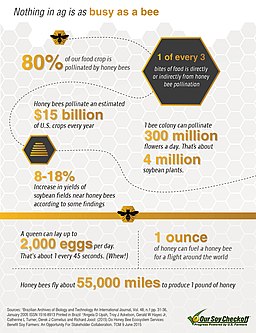
Bees are the world’s most important pollinators of food crops. It is estimated that one third of the food that we consume each day relies on pollination mainly by bees.  If our bee populations were to diminish it would significantly impact our ability to feed the world's people. You can find out more about the importance of bees by exploring the resources found on this page.

Picture
 KEYWORDS  
bee; pollen; pollinate; hive; worker bee; drone; queen bee; honeycomb; wax; royal jelly; colony; swarm; sting; colony collapse; bumblebee, apiarist, bee hotel; varroa mite; sacbrood disease; fouldbrood disease; biosecurity​; native bees; food security.​

Picture
Picture

FOCUS QUESTIONS
  1. How many species of bee are there around the world? In Australia?
  2. Why are bees so important?
  3. What role do bees play in agriculture?
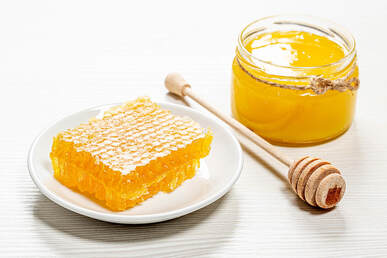
  4. What are some of the products that are created from various bee activities?
  5. What habitats do bees live in (natural and man-made)?​
  6. How many bees can be found in a hive?
  7. ​What different roles do bees have in a hive?
  8. How long do bees live?
  9. What are bees main predators (enemies)?
  10. How do bees pollinate flowers?
  11. How can we encourage more bees to come into our gardens?
  12. How do you make a bee hotel?
  13. Why are bee colonies dying out?
  14. What are the main causes of bee death?
  15. What is varroa mite? Why is it so dangerous?
  16. What will happen if bee populations continue to die out?
All of the images on this page have come form the website PXHERE and they are all copyright free.
Picture


Picture
Resources
How bees make honey
Aussie Bee
Bee Activities - Lesson Tutor
10 Facts About Honey Bees (National Geographic)
101 Fun BEE Facts About Bees and Beekeeping
Bee facts for kids
About Honeybees
Picture

10 activities to show your knowledge about bees

 1)   Create an infographic that shows all the different products made by bees.
2)  Create a mini documentary that introduces bees and emphasises their importance. Use free images and videos available from the image library.
3) Use Scratch, Scratch junior or another animation tool to create an animation about the importance of bees.
​4) Use a mind mapping tool to create an interactive mind map that has embedded images, video and web links all about bees.

5) Create a VOKI animation (like the one above) that gives important information that you found out about bees.
More ideas
6) Write a poem or create a picture book that shows the importance of bees.
7) Create a word cloud of words / vocabulary around bees. HINT: you can start with the words listed above in the KEYWORDS section. What other words can you find?
​8)  Stamps: create a commemorative bee stamp. Think about which bee you would choose to draw and why.
9)   Newscasts: create a news cast that talks about the importance of bees and what will happen if bee populations continue to decline.
10)  Design a bee hotel for your back yard. Detail why you chose materials, design and location for your bee hotel.


Curriculum Links
A Teacher's Guide to Bees ( Wheen Bee Foundation)
Student workbook (PDF)
Student workbook (Word)
  • Home
    • Knowledge Compass
    • Studyvibe
  • A-Z
  • Inquiry Process
    • The Research Grid
    • Key Stages of an Inquiry
    • Research Funnel
  • DEFINING
    • Mindmapping
    • Starburst Brainstorming
    • Graphic Organisers >
      • Student Showcase
    • Questions and Questioning >
      • Knowledge Compass
    • Research Task Verbs
  • LOCATING
    • Great Research Reference Sites
    • Searching the Web >
      • Boolean Searching
    • Searching with Google
    • Sources of Information
    • Website Evaluation
    • Fake websites
  • SELECTING
    • Content Curation
    • Creative Commons
    • Image Library
    • Notemaking >
      • Notemaking Apps and tools
      • Notemaking videos
    • Plagiarism
    • Referencing
  • ORGANISING
  • PRESENTING
    • Animation Tools >
      • Avatars
    • Brochure
    • Cartoon Makers
    • Digital Storytelling >
      • Digital Storytelling Resources
    • eBooks
    • Essay Writing
    • Infographics
    • Multimedia Presentations
    • Oral Presentations
    • Podcast
    • Posters >
      • Pic Collage Gallery
    • Website
  • EVALUATING
  • Mini Safaris
  • Trail Blazers
    • Trailblazer Subscription
    • The Ancient World >
      • Ancient China (Teachers)
      • Ancient China (Students)
      • Ancient Egypt
    • Bees >
      • Bees - Curriculum Links
    • Biomes >
      • Biomes - Curriculum Links
    • Cane Toads
    • Colonial Australia
    • Coral Reefs
    • Deserts
    • Dugongs
    • Government >
      • Government Curriculum Links
    • Great Pacific Garbage Patch
    • Introduced Species >
      • Introduced Species - Curriculum Links
    • Medieval Europe >
      • The Black Death
      • Christianity
      • Medieval Warfare
      • Curriculum Links
    • Rainforests
    • Renewable Energy >
      • Bioenergy
      • Geothermal Energy
      • Hydroelectric Power
      • Solar Energy
      • Wind Energy
    • Shogun Japan >
      • Gallery
    • Water >
      • Water images and infographics
      • Water Videos
      • Curriculum Links
    • Whales
  • Teacher Zone
    • All things Google
    • Australian Curriculum Links
    • Information Literacy Models
    • Information Literacy as a Transversal Competency
    • Infographic Library
    • Learning Frameworks
    • Project Websites
    • Real World Learning
    • Topic Ideas
    • Worksheet Library
  • Links
    • Knowledge Compass
    • Studyvibe
    • UN Sustainable Development Goals Project
    • Inspired Libraries Website
    • Teenage identity and Social Media