THE RESEARCH SAFARI
  • Home
    • Knowledge Compass
    • Studyvibe
  • A-Z
  • Inquiry Process
    • The Research Grid
    • Key Stages of an Inquiry
    • Research Funnel
  • DEFINING
    • Mindmapping
    • Starburst Brainstorming
    • Graphic Organisers >
      • Student Showcase
    • Questions and Questioning >
      • Knowledge Compass
    • Research Task Verbs
  • LOCATING
    • Great Research Reference Sites
    • Searching the Web >
      • Boolean Searching
    • Searching with Google
    • Sources of Information
    • Website Evaluation
    • Fake websites
  • SELECTING
    • Content Curation
    • Creative Commons
    • Image Library
    • Notemaking >
      • Notemaking Apps and tools
      • Notemaking videos
    • Plagiarism
    • Referencing
  • ORGANISING
  • PRESENTING
    • Animation Tools >
      • Avatars
    • Brochure
    • Cartoon Makers
    • Digital Storytelling >
      • Digital Storytelling Resources
    • eBooks
    • Essay Writing
    • Infographics
    • Multimedia Presentations
    • Oral Presentations
    • Podcast
    • Posters >
      • Pic Collage Gallery
    • Website
  • EVALUATING
  • Mini Safaris
  • Trail Blazers
    • Trailblazer Subscription
    • The Ancient World >
      • Ancient China (Teachers)
      • Ancient China (Students)
      • Ancient Egypt
    • Bees >
      • Bees - Curriculum Links
    • Biomes >
      • Biomes - Curriculum Links
    • Cane Toads
    • Colonial Australia
    • Coral Reefs
    • Deserts
    • Dugongs
    • Government >
      • Government Curriculum Links
    • Great Pacific Garbage Patch
    • Introduced Species >
      • Introduced Species - Curriculum Links
    • Medieval Europe >
      • The Black Death
      • Christianity
      • Medieval Warfare
      • Curriculum Links
    • Rainforests
    • Renewable Energy >
      • Bioenergy
      • Geothermal Energy
      • Hydroelectric Power
      • Solar Energy
      • Wind Energy
    • Shogun Japan >
      • Gallery
    • Water >
      • Water images and infographics
      • Water Videos
      • Curriculum Links
    • Whales
  • Teacher Zone
    • All things Google
    • Australian Curriculum Links
    • Information Literacy Models
    • Information Literacy as a Transversal Competency
    • Infographic Library
    • Learning Frameworks
    • Project Websites
    • Real World Learning
    • Topic Ideas
    • Worksheet Library
  • Links
    • Knowledge Compass
    • Studyvibe
    • UN Sustainable Development Goals Project
    • Inspired Libraries Website
    • Teenage identity and Social Media

Notemaking

Picture
WHY IS NOTE MAKING IMPORTANT?
If you develop effective note making strategies you will greatly enhance your ability to retain the key information you need for exams, assignments, debates, presentations etc.
*  Notemaking helps you to concentrate on what you are learning by focusing only on the important facts.
* By writing the information down you are helping your brain to examine it in a different way. 
* Writing notes helps you with memory retention.
* Notes help you to summarise the material you are trying to learn. During revision, then, it is more time efficient to focus only on the key information you have summarised. You can read your revision notes rather than re-reading whole chapters.
* Notemaking helps you to clarify your understanding of a topic because you are using your own words to describe major concepts.

SEQUENTIAL NOTE TAKING
You can take notes in a chronological sequence as they are presented. Often you don't have the chance to go back and listen to or review the information again. You would use this form of notetaking when listening to a lecture, watching a movie, video or other presentation, or perhaps when on excursions.
In these situations you often only get the opportunity to collect the information from this source so you take the notes down as presented (sequentially).


STRATEGIC NOTE MAKING
Before you begin to take your notes you have a pre-determined purpose, framework or set of questions you are seeking to answer. You are reading, listening or viewing for a specific purpose.
To help you organise your information you may use 
graphic organisers, mind maps, focus questions or key words to direct your reading, viewing, listening and notemaking.
Picture
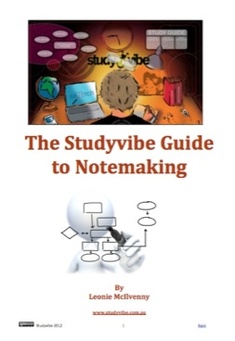
Notemaking Handbook
Picture
TYPES OF NOTES
There are many different ways you can take your notes. Here are just a few examples.
* Diagrams or drawings
* Lists of points (DOT JOT)
* Key words and phrases
* Voice recording
* Highlighted text on a printed page
* 
Mind maps
* Completed graphic organiser
* Bookmarked / tagged websites
* Notemaking Apps and Web 2.0 Tools
​NOTEMAKING TOOLS ONLINE
There are many online tools available to help you create and organise your notes. Some of them are listed below but there are many more. Choose one that suits your learning style.
If you are not sure which notemaking tool is best for you  this comprehensive comparison is an excellent guide.
Best Notemaking Apps
  • Home
    • Knowledge Compass
    • Studyvibe
  • A-Z
  • Inquiry Process
    • The Research Grid
    • Key Stages of an Inquiry
    • Research Funnel
  • DEFINING
    • Mindmapping
    • Starburst Brainstorming
    • Graphic Organisers >
      • Student Showcase
    • Questions and Questioning >
      • Knowledge Compass
    • Research Task Verbs
  • LOCATING
    • Great Research Reference Sites
    • Searching the Web >
      • Boolean Searching
    • Searching with Google
    • Sources of Information
    • Website Evaluation
    • Fake websites
  • SELECTING
    • Content Curation
    • Creative Commons
    • Image Library
    • Notemaking >
      • Notemaking Apps and tools
      • Notemaking videos
    • Plagiarism
    • Referencing
  • ORGANISING
  • PRESENTING
    • Animation Tools >
      • Avatars
    • Brochure
    • Cartoon Makers
    • Digital Storytelling >
      • Digital Storytelling Resources
    • eBooks
    • Essay Writing
    • Infographics
    • Multimedia Presentations
    • Oral Presentations
    • Podcast
    • Posters >
      • Pic Collage Gallery
    • Website
  • EVALUATING
  • Mini Safaris
  • Trail Blazers
    • Trailblazer Subscription
    • The Ancient World >
      • Ancient China (Teachers)
      • Ancient China (Students)
      • Ancient Egypt
    • Bees >
      • Bees - Curriculum Links
    • Biomes >
      • Biomes - Curriculum Links
    • Cane Toads
    • Colonial Australia
    • Coral Reefs
    • Deserts
    • Dugongs
    • Government >
      • Government Curriculum Links
    • Great Pacific Garbage Patch
    • Introduced Species >
      • Introduced Species - Curriculum Links
    • Medieval Europe >
      • The Black Death
      • Christianity
      • Medieval Warfare
      • Curriculum Links
    • Rainforests
    • Renewable Energy >
      • Bioenergy
      • Geothermal Energy
      • Hydroelectric Power
      • Solar Energy
      • Wind Energy
    • Shogun Japan >
      • Gallery
    • Water >
      • Water images and infographics
      • Water Videos
      • Curriculum Links
    • Whales
  • Teacher Zone
    • All things Google
    • Australian Curriculum Links
    • Information Literacy Models
    • Information Literacy as a Transversal Competency
    • Infographic Library
    • Learning Frameworks
    • Project Websites
    • Real World Learning
    • Topic Ideas
    • Worksheet Library
  • Links
    • Knowledge Compass
    • Studyvibe
    • UN Sustainable Development Goals Project
    • Inspired Libraries Website
    • Teenage identity and Social Media